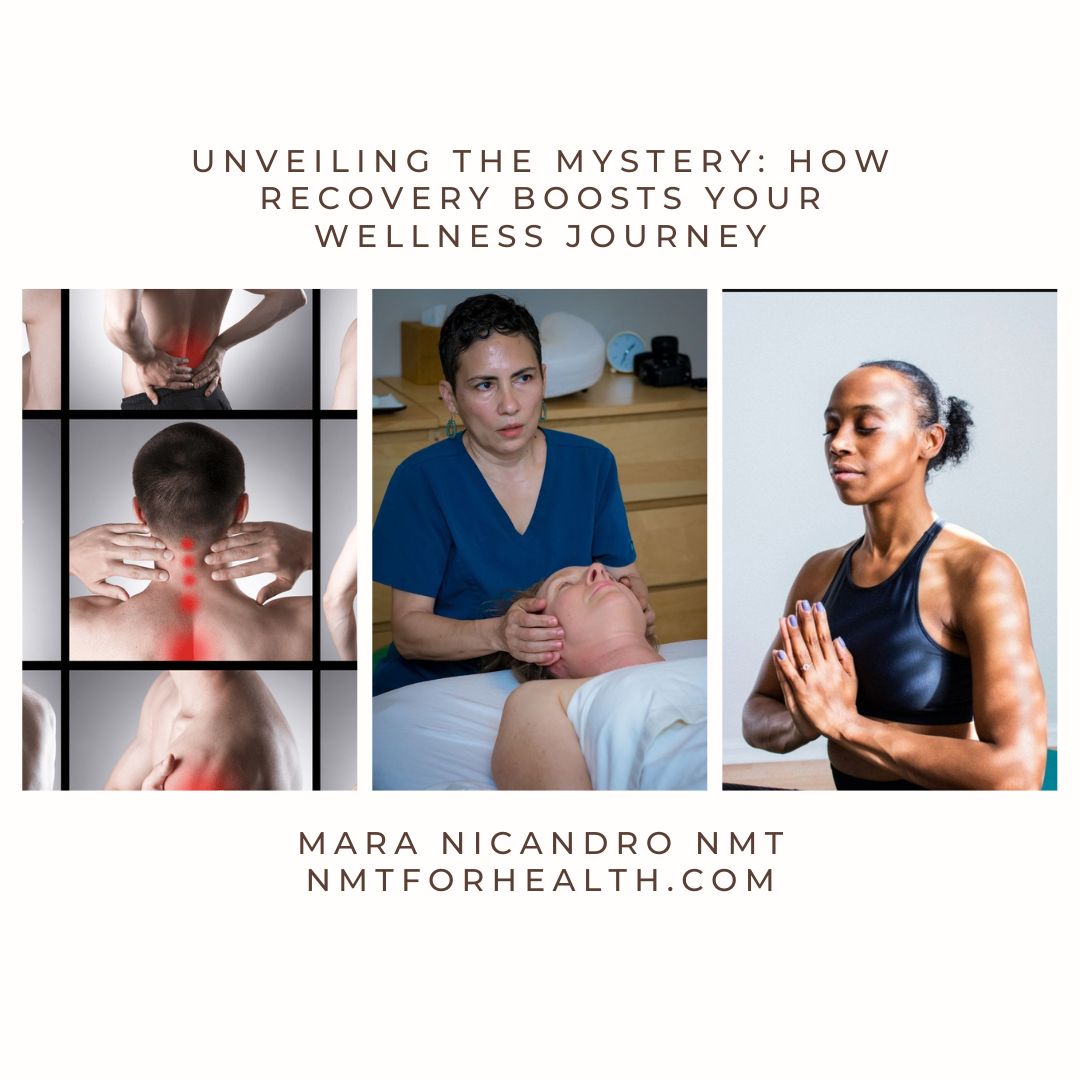

QL Muscle Pain: Breaking the Gripping Pattern That Keeps You Stuck
Place your hand just above your hip, along your waistline. Feel that deep ache that never quite releases, no matter how much you stretch? That’s your quadratus lumborum (QL) – and it might be the hidden reason you’re still in chronic pain years after your injury healed.
Do You Recognize These Symptoms?
Your QL gripping pattern might show up as:
Lower Back:
- Deep ache just above your hip that won’t release
- Morning stiffness that persists all day
- Can’t fully relax your back into the floor when lying down
- Stretching only helps for 5-10 minutes
- Always feel like you’re bracing or guarding
Hip & Pelvis:
- One hip rides higher than the other (hip upslip)
- Pelvic floor instability or weakness
- SI joint pain that moves around
- Hip clicking or popping
- Feeling “twisted” through your pelvis
- Can’t properly engage your pelvic floor
The Pattern That Keeps You Stuck
Your quadratus lumborum (QL) is a deep lower back muscle that plays a surprising role in keeping you stuck in chronic pain patterns. This postural stabilizer responds unconsciously to stress and threat, and when it’s chronically tight, it can literally hold your nervous system in sympathetic dominance.
Here’s the feedback loop: stress triggers QL tension, which restricts your diaphragm movement, forcing shallow chest breathing, which signals more threat to your brain, keeping you in “fight or flight” mode. Your QL becomes an unconscious guard that won’t let you relax, even when the original threat is long gone.
This pattern is particularly stubborn because the QL sits so deep in your core, right alongside your breathing muscles. When it’s locked up, every breath becomes a reminder to your nervous system that something is wrong, perpetuating the cycle of sympathetic dominance.
Why Stretching and Breathing Alone Don’t Work
You can’t stretch away an unconscious grip. Your QL isn’t just tight – it’s guarding.
Breaking this pattern requires both releasing the QL and retraining your breathing to signal safety to your nervous system, allowing the shift from sympathetic dominance back to parasympathetic regulation. This is why isolated stretching or breathing work alone often provides only temporary relief. The QL and your breathing patterns must be addressed together.
Resetting Your Nervous System
The solution isn’t just releasing tight muscles – it’s teaching your nervous system that it’s safe to let go.
My approach combines:
- Deep QL Release – Targeted manual therapy to reach the deep holding patterns that stretching can’t access
- Breathing Retraining – Restoring diaphragmatic breathing to signal safety to your nervous system and break the feedback loop
- Nervous System Regulation – Shifting from sympathetic dominance (fight or flight) back to parasympathetic (rest and digest) so your body can finally relax
This integrated approach addresses the root cause: your body’s unconscious protective pattern that persists long after the original injury or threat is gone.
What to Expect
After your first session, many clients report feeling lighter, breathing more easily, or sensing that something has “unlocked.” The QL often releases partially, giving you a glimpse of what’s possible.
Within 2-3 sessions, deeper patterns begin to shift as your nervous system starts to trust new movement patterns. You might notice reduced morning stiffness, easier breathing, or the ability to relax more fully.
Over 4-8 weeks of consistent work, chronic patterns that have persisted for months or years can transform completely. The key is addressing both the physical holding and the nervous system dysregulation that maintains it.
Home practice between sessions accelerates this process significantly.
Real Results: A Client Story
One client came to me frustrated that despite years of yoga practice, he couldn’t do gentle backbends at his annual retreat. His spine simply refused to extend – not from lack of flexibility, but because his QL and breathing patterns were unconsciously guarding.
After several sessions addressing his QL gripping pattern and retraining his breathing, he returned to his retreat the following year and found himself moving into backbends comfortably for the first time. His nervous system finally felt safe enough to allow the movement his body was already capable of.
Your Self-Assessment
Try this quick test:
Lie on your back with your knees bent, feet flat on the floor. Try to fully relax your lower back down into the floor.
Can you let it settle completely? Or does it hover, arch, or feel like it won’t quite release?
If your back won’t fully relax, that’s your QL holding on – even when you’re consciously trying to let go. This unconscious gripping is what keeps you stuck.
Ready to Break Free from the Pattern?
If you’ve been dealing with chronic lower back pain, hip instability, or pelvic floor issues that haven’t responded to traditional treatments, the QL-breathing-nervous system connection might be the missing piece.
Book a Comprehensive QL Assessment where we’ll:
- Identify your specific gripping patterns
- Assess how your breathing and QL interact
- Determine your nervous system state
- Create a personalized treatment plan
This assessment includes targeted manual therapy, breathing evaluation, and practical tools you can use at home to accelerate your progress.
[Book Your Discovery Session] | DM me ‘QL’ on Instagram
Your chronic pain might not be about structural damage – it might be about an unconscious protective pattern that never released. Let’s address the root cause together.

Comments
One response to “The QL Connection: How One Muscle Keeps You Stuck”
[…] The QL Connection: How One Muscle Keeps You Stuck […]